Heart 27 Embroidery Design Review
First Impressions of Heart 27
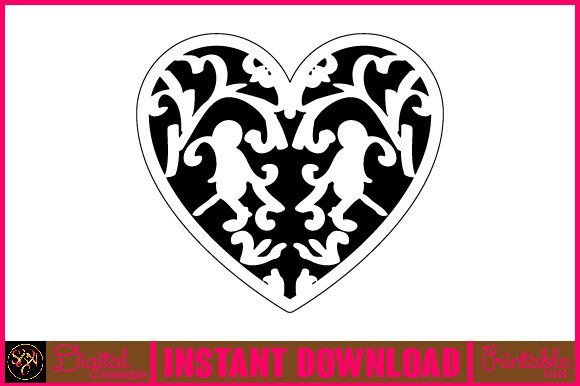
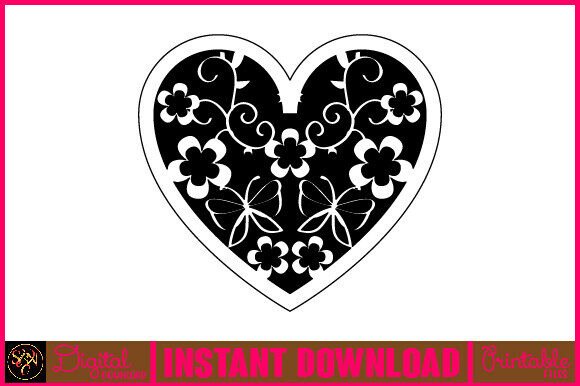
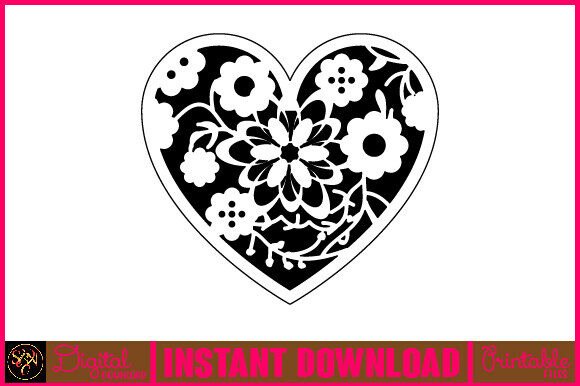
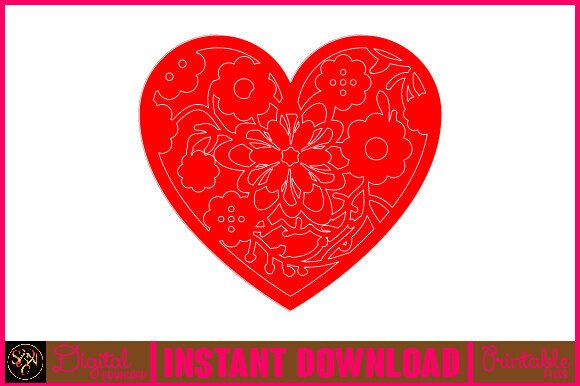
Heart 27 is a unique design that blends the elegance of an animal mandala with the simplicity of a silhouette. The piece has a calming, artistic vibe that makes it ideal for projects focused on mindfulness, creativity, and personal expression. Its layout is balanced, with clean lines and enough detail to stand out without overwhelming the eye.
The design feels like it was made with coloring books in mind, but its versatility extends beyond that. It has the potential to work well as an embroidery file for handmade stationery, custom apparel, or even as a decorative element in scrapbooking and cardmaking. The visual personality of Heart 27 leans toward softness and symbolism, making it a great fit for baby items, personalized gifts, and holiday-themed projects.
Real-World Embroidery Use Cases
When I first saw Heart 27, I imagined it on a custom embroidered tote bag for a boutique shop. The design’s size and shape would look great on a medium-sized hoop, and its minimalistic style would pair well with a range of fabric types. Whether it’s stitched onto a cotton t-shirt, a sweatshirt, or a baby onesie, Heart 27 could add a touch of artistry to any project.
As an embroidery designer, I also see potential for this design in commercial embroidery settings. It could be used for branded merchandise, such as aprons, caps, or kitchen towels. The design’s simplicity makes it easy to adapt to different thread colors and fabric textures, which is essential for small business owners and Etsy sellers looking to offer customizable options.
For craft businesses, Heart 27 could serve as a digital product preview or a printable mockup. Its clean lines make it suitable for both black and white and colored versions, giving designers flexibility in how they present the design to clients or customers.
Where to Use Heart 27 Carefully
While Heart 27 is a strong design, there are situations where it might not perform as well. For example, if you’re using it on a small hoop, the details might get lost. Similarly, on textured or stretchy fabrics, the stitching may not lay flat as intended. Thin or dark fabrics can also pose challenges, especially if the thread color doesn’t contrast well.
Projects that require frequent washing, like baby clothes or kitchen towels, should be approached with caution. Dense stitch areas or intricate corners might wear down over time, so it’s important to use the right stabilizer and test the design on a sample fabric before committing to a larger project.
Heart 27 isn’t ideal for layered garments or curved surfaces like caps. The design’s structure may not conform well to these shapes, leading to distortion or uneven stitching. If you’re planning to use it on a patch or a small item, consider simplifying the design or adjusting the hoop size accordingly.
Impact on Visual Appeal and Customer Perception
Heart 27 has a strong visual appeal that can elevate the value of any handmade product. When stitched properly, it adds a professional touch to custom apparel, embroidered patches, or personalized gifts. Its clean lines and symbolic nature make it instantly recognizable, which is beneficial for brand consistency and customer trust.
From a practical standpoint, this design can enhance the giftability of your products. Whether it’s a holiday ornament, a baby keepsake, or a personalized item for a wedding, Heart 27 offers a level of sophistication that resonates with buyers. It also works well for creative entrepreneurs who want to offer unique, high-quality embroidery designs to their audience.
As an embroidery file, Heart 27 can be a valuable asset for digital product sellers. Its adaptability across different mediums—printable mockups, digital embroidery files, and commercial use—makes it a flexible choice for designers and small business owners alike.
Practical Designer Notes for Using Heart 27
Before using Heart 27 in your own projects, I recommend testing it on scrap fabric. This will help you assess how the design looks with different thread colors and fabric textures. Pay attention to the stitch density and ensure that the design is suitable for your machine’s capabilities.
If you’re planning to sell finished products or digital files, always check the licensing terms. Even though Heart 27 seems to be intended for coloring pages and stationery, it’s important to confirm whether it’s approved for commercial use or resale.
Consider how the design will appear in black and white mockups, as this can affect its overall impact. Also, compare it against light and dark fabric backgrounds to ensure the visual balance is maintained. Using the right stabilizer is crucial, especially when working with delicate or stretchy materials.
Finally, think about the end user. Will they appreciate the detail? Does the design fit the purpose of the product? These questions can help guide your decision on whether Heart 27 is the right choice for your next embroidery project.